Decay
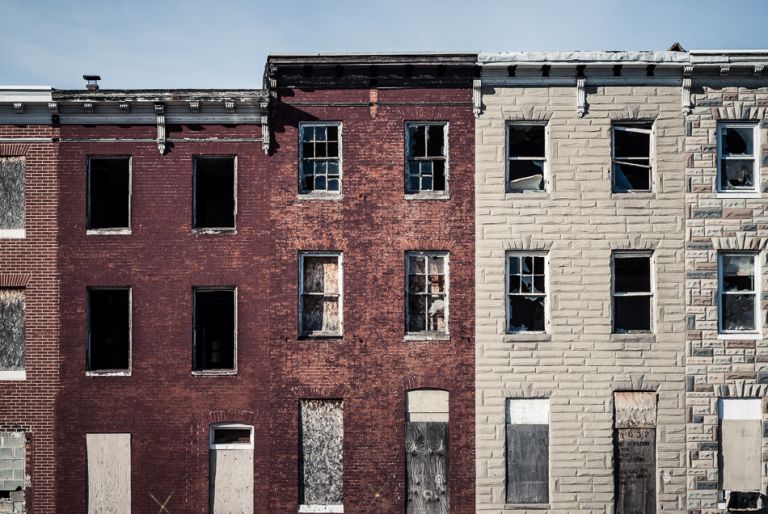
One of the blocks near Johns Hopkins Hospital where every single home is abandoned and boarded up to some degree. A common sight around the city.

One of the blocks near Johns Hopkins Hospital where every single home is abandoned and boarded up to some degree. A common sight around the city.

From the top of the Arc de Triomphe, traffic on the Champs Elysees after the rain.

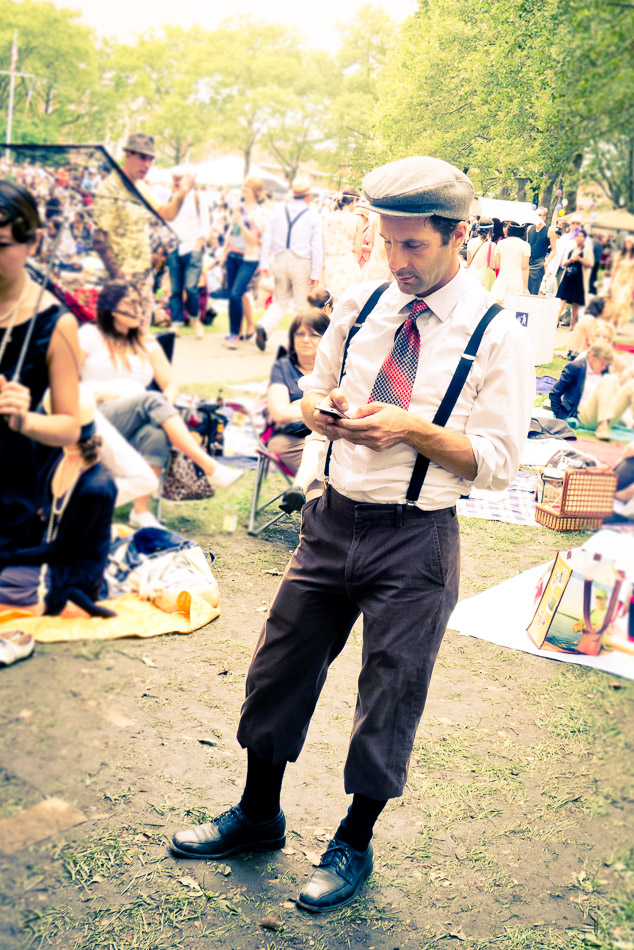
More than a musician and composer and bandleader, Michael Arenella makes the Jazz Era Lawn Party happen. This shot of an intense-looking Arenella is from the dance floor. Professional dancers, groups with choreographed routines, and fired up partygoers give the floor constant use during the party. And what a party it is. And with this post, ladies and gents, a week of 1920s-inspired photos comes to a close.
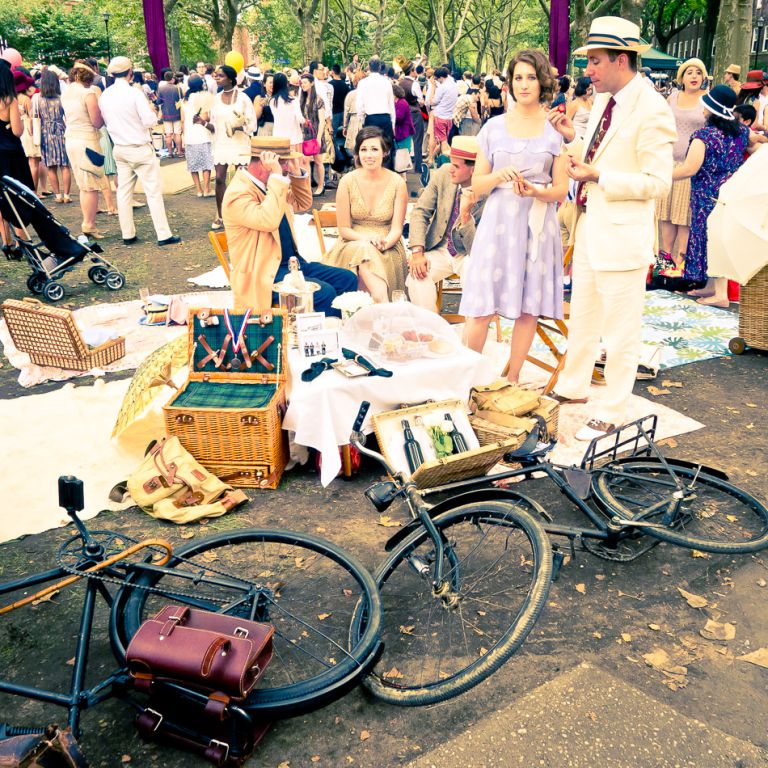
Vintage has a limit. It is New York, after all.

Along the path on Governors Island. My guess is that >90% of attendants dress in period clothes. And if you don’t arrive in hip threads, local vintage shops have outposts selling everything from bathing suits to actual suits.

A group behind one of the St. Germain delivery trucks.

I had never tried St. Germain, the French elderflower-based liqueur, before the Jazz Era Lawn Party. But the cocktails and sangria, served by the dapper staff as the bands played on, made me a fast fan. And the half dozen period delivery trucks were a perfect compliment to the day.
The ferry ride lasted only a few minutes. But the boat from Brooklyn to Governors Island may have well been a trip 90 years back in time.
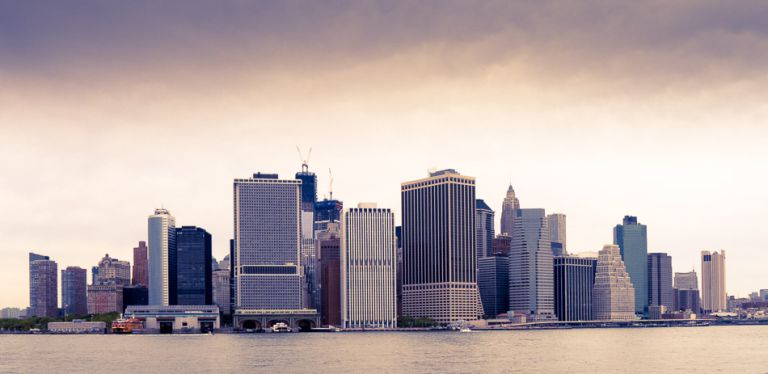
The lower east tip of Manhattan, as seen from the Brooklyn-Governors Island Ferry.
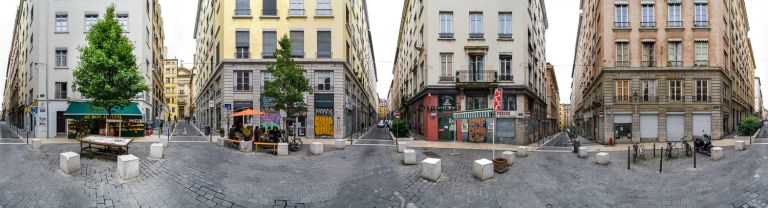
A 360 degree view of an intersection in Lyon’s 1st arrondissement.

I’d like to think I had it coming. As I was boarding the shuttle bus from the plane to the terminal at JNB, expecting to transfer to my flight to Atlanta, I said to my colleague, “I would love it if there was some issue and I ended up going someplace other than Atlanta.”
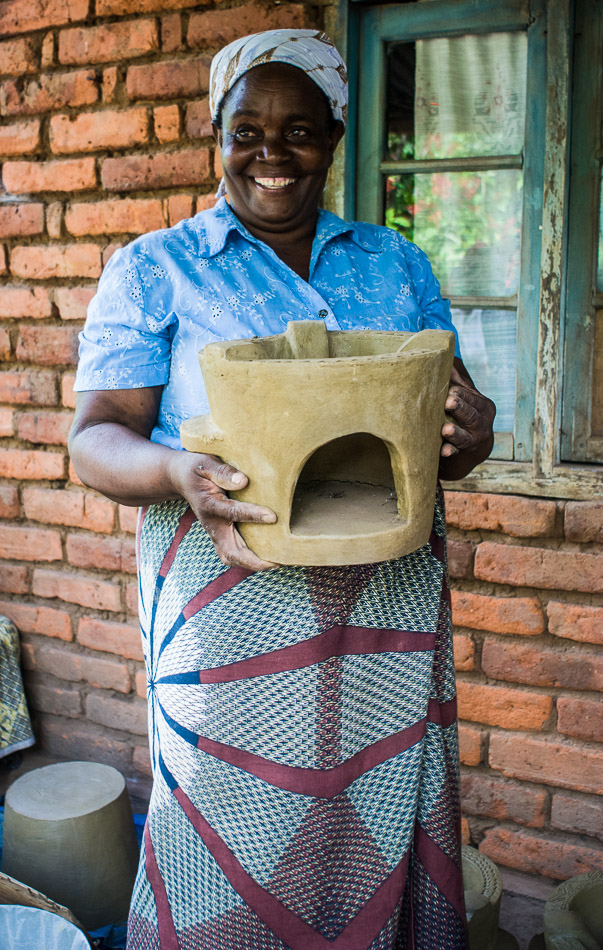
In a nation with as many resource challenges as there are in Malawi, cooking meals can be a very different process from what we experience in developed nations. Natural gas-fired stoves, electricity, convection ovens – forget it. Whether it’s a kitchen in a hut in the distant, rural reaches, or in a more affluent family’s house in a major city, most people are cooking over burning wood.
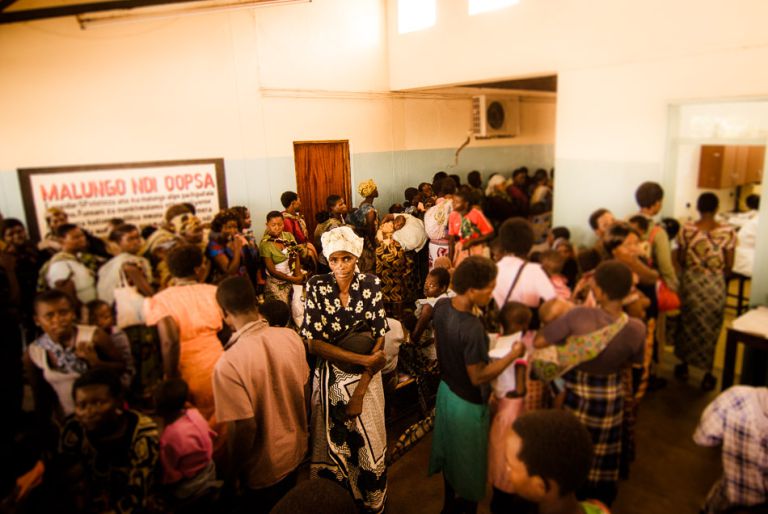
A woman waits with her family members in the triage area of Lilongwe’s Kamuzu Central Hospital.
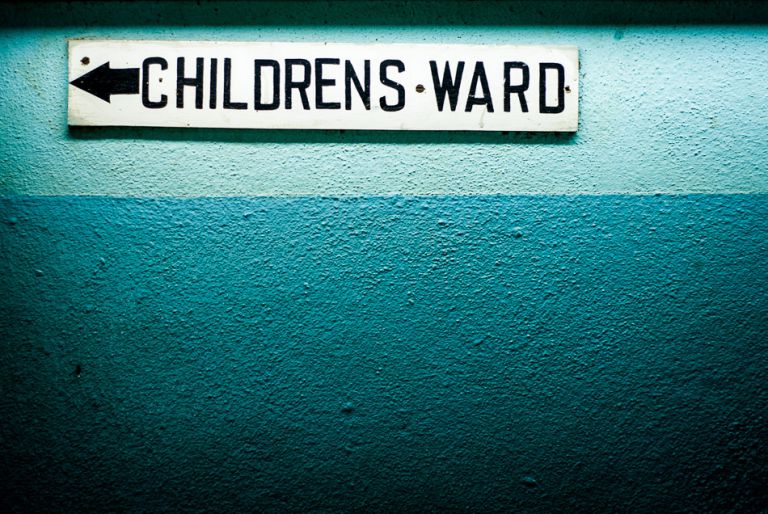
In an almost-dark hallway at Kamuzu Central Hospital.
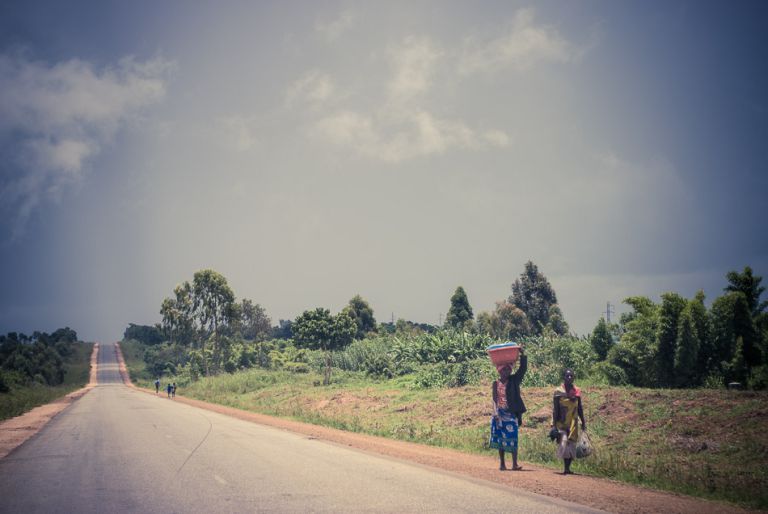
Along the highway between Lilongwe and Blantyre, a common sight: transportation is often by foot.
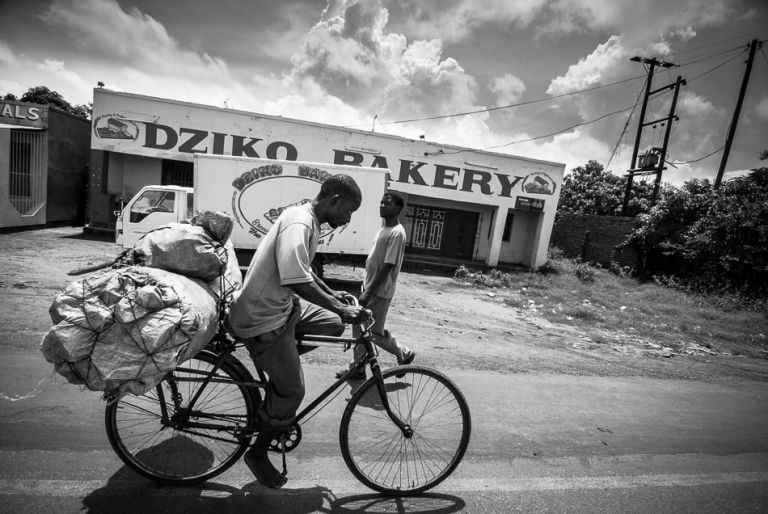
Across Malawi, people cook their food on wood burning stoves. Even the Presidential residence, suspected one of the UNICEF Malawi staff, has a wood burning stove. Some for reasons of tradition, others for necessity. And with this type of cooking comes the search for fuel.
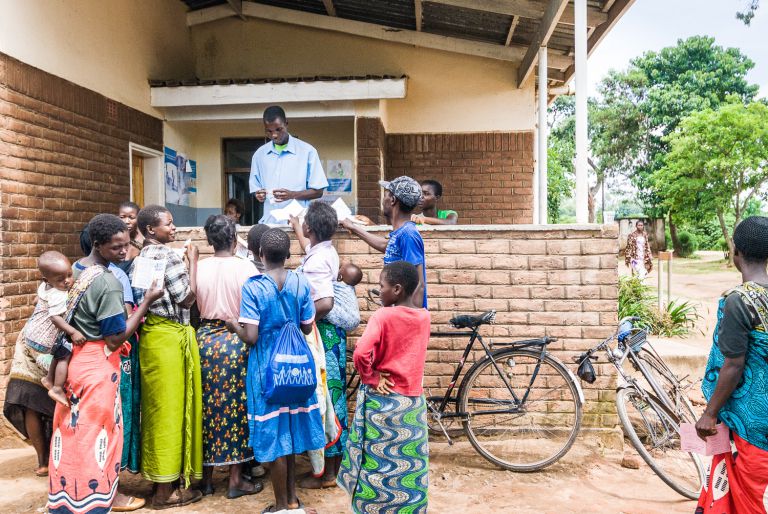
At the Healthy Center in Mpemba, a Health Surveillance Assistant (HSA) distributes Coartem for children, an artemisinin-based combination therapy (ACT) for the treatment of acute, uncomplicated Plasmodium falciparum malaria.

A young woman pumps water from Likalawe’s well.
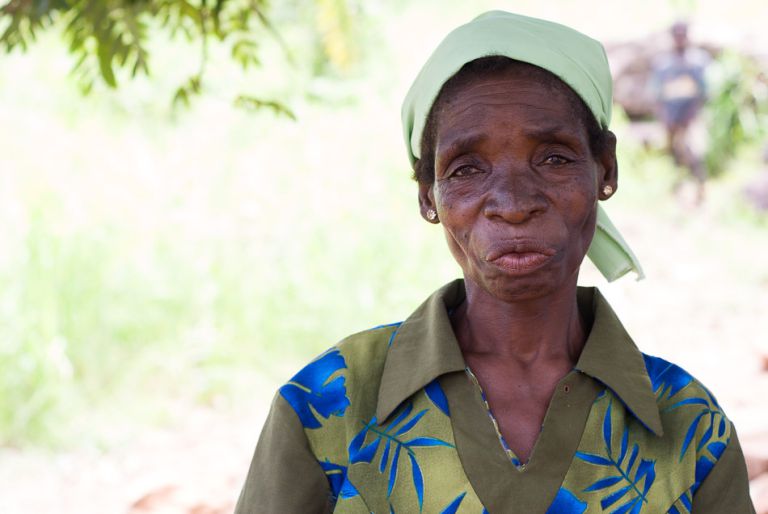
One of the many positive outcomes of Likalawe’s monthly outreach clinics is the gratitude of the villagers. And few gestures could better signify this goodwill than what Agnes Sumali does for the HSAs that make the monthly trip from Mpemba.

Some of the smiling kids in the village, excited to talk to their visitors.